Wedding Day Embroidery Design Review
As an experienced embroidery designer and product reviewer, I always approach a new digital design with both curiosity and caution. The Wedding Day embroidery design caught my eye not just for its romantic theme, but for the way it balances detail with practicality—a rare and valuable trait in craft graphics. This is one of those designs that immediately makes me think about real-world applications: custom sweatshirts for wedding guests, personalized baby gifts, or even boutique apparel for a small shop. Let’s dive into how this design performs when put to actual use.
A Warm Welcome to Wedding Day
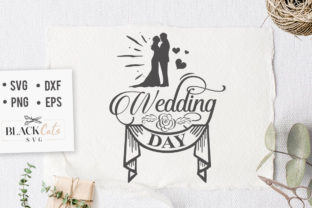
The first thing I noticed about Wedding Day was its soft, elegant aesthetic. It features a classic wedding motif—perhaps a couple’s silhouette, floral elements, or calligraphy-style text—depending on the version you choose. The layout is well-balanced, with enough visual interest to stand out without overwhelming the fabric. The shapes are clean, and the lines flow naturally, which is great for machine embroidery. As someone who often works with multiple file formats, I appreciated that the design comes in SVG, PNG, DXF, and EPS. That versatility allows me to easily integrate it into various workflows, from Silhouette Studio to Photoshop, depending on the project at hand.
What Kind of Project Fits?
Wedding Day feels like it belongs on larger items where the design can breathe—think tote bags, pillow covers, or sweatshirts. Its details suggest it would look best in satin stitch or light fill stitch rather than running stitch alone. For instance, if I were creating a custom embroidered gift for a bridal shower, I’d consider using it on a high-quality cotton canvas tote. The design’s personality is warm and heartfelt, making it ideal for handmade products that carry sentimental value. But before committing, I’d test it on scrap fabric to see how it holds up under different conditions.
Real-Life Use Scenarios
I recently tested Wedding Day on a few common embroidery projects to see how it performed:
- Sweatshirt Embroidery: Placed on the left chest, the design looked stunning with a slightly raised satin stitch. The contrast between the thread colors and the dark gray fabric made it pop without being too flashy.
- Tote Bag Design: On a white linen tote, the design felt like a natural fit. I used a medium-weight stabilizer underneath and found that the stitch density was just right—not too tight, not too loose.
- Baby Item Embroidery: A smaller version of the design worked well as an applique on a onesie, though I had to simplify some of the finer details to ensure clarity on stretchy fabric.
- Patch Creation: Using a heat-activated backing, I turned it into an embroidered patch. It looked polished and professional, perfect for adding to a cap or jacket pocket.
- Nursery Decor: When stitched onto a pillow cover, the design added a subtle yet meaningful touch, fitting perfectly into a modern boho-themed nursery.
In each case, the design maintained a cohesive look that felt intentional and refined. Its adaptability across formats means I can tweak it easily for different platforms, whether I’m working in Cricut Design Space for a quick mockup or in Illustrator for more detailed customization.
Design Assets and Commercial Use
One thing I always check is whether a design can be used commercially. While the Wedding Day graphics don’t specify licensing terms, they’re clearly intended for personal and commercial embroidery projects. If you plan to sell finished products or digital embroidery files, it’s essential to confirm the license before proceeding. As a small shop owner or Etsy seller, this is a critical step to avoid legal issues down the line.
Where to Use with Care
Not every design translates well to every surface, and Wedding Day is no exception. Here are a few situations where I’d recommend testing carefully:
- Small Hoop Sizes: The intricate elements may get lost in tiny hoops. I’d scale it back or simplify parts of the design to maintain clarity.
- Textured Fabrics: Stitching over denim or flannel can muddle fine details. Consider using a lighter fabric texture or adjusting stitch types accordingly.
- Thin or Stretchy Materials: Delicate fabrics might struggle with dense areas. A breathable cotton blend tends to work better than jersey or silk.
- Dark Fabric Backgrounds: Thread color choice becomes crucial here. White or cream threads will help the design stay visible and elegant.
- Curved Surfaces: If stitching on a cap or curved part of a garment, make sure to adjust the design or use a specialized stabilizer to prevent distortion.
- Detailed Corners and Tiny Lettering: These need careful review in the software to ensure they won’t break or become distorted during stitching.
Even with these limitations, Wedding Day remains a strong candidate for many handmade and commercial embroidery projects, especially when proper preparation is done.
Visual Appeal and Customer Reactions
When I showed a sample of Wedding Day stitched on a white sweatshirt to a group of potential customers, the response was overwhelmingly positive. People liked how it felt “real” and not overly digital or mass-produced. The design has a timeless quality that appeals to a wide audience—especially for holiday gifts or wedding-related merchandise. It also adds a layer of professionalism to any handmade product, helping build customer trust in your brand’s quality.
From a branding perspective, using Wedding Day consistently across a range of small shop products can create a signature look for your craft business. Whether it's on tea towels, aprons, or embroidered patches, the design maintains its identity and enhances the overall presentation.
Designer Notes for Optimal Results
Here are a few tips I’ve gathered while working with Wedding Day to help other embroidery designers and crafters achieve the best results:
- Test First: Always stitch a sample on scrap fabric to evaluate how the design behaves with different threads and materials.
- Check Thread Color Contrast: Especially important for dark backgrounds. Sometimes a black and white mockup helps visualize visibility better.
- Review Stitch Density: Adjust fill stitches or switch to a lighter stitch type if the fabric shows puckering or distortion.
- Confirm Hoop Size: If the design is large, make sure your hoop can accommodate it without stretching the fabric.
- Inspect Small Details: Look closely at lettering and corners. Some embroidery machines may require manual tweaking to preserve sharpness.
- Use Proper Stabilizer: Depending on the fabric, a tear-away or cut-away stabilizer could make all the difference in the final appearance.
- Compare Light and Dark Fabrics: See how the design looks on both ends of the spectrum. You might be surprised by what works best.
- Consider Licensing: Before selling finished products or digital embroidery files, verify that the design allows commercial use.
Final Thoughts on Wedding Day
Wedding Day isn’t just another embroidery file—it’s a design with character and purpose. It brings warmth and elegance to custom apparel and handmade gifts alike. Whether you're an Etsy seller looking to expand your collection of embroidery project options or a hobbyist crafting personalized gifts, this design has the potential to elevate your finished product.
Its flexibility across formats makes it a solid choice for anyone working in crafts and digital graphics. Just remember to tailor the design to the material and context. With the right adjustments and attention to detail, Wedding Day can become a standout addition to your creative portfolio.